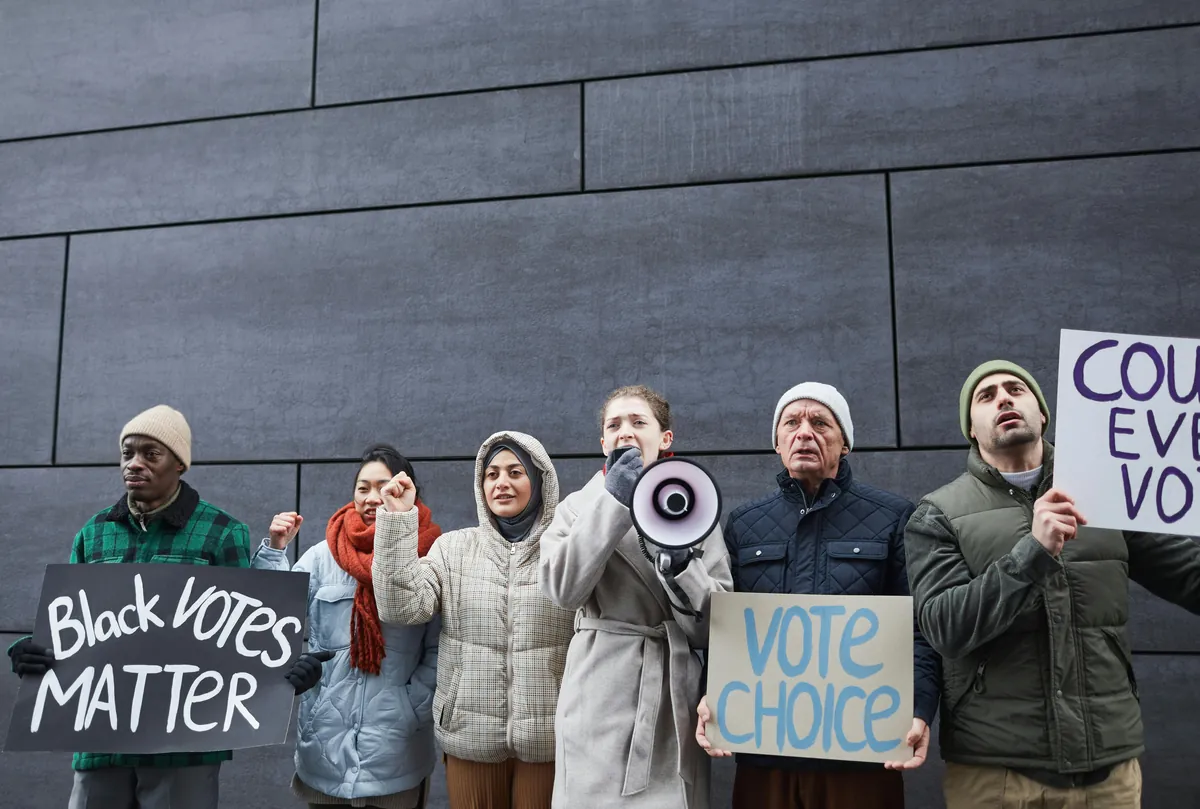
The coffee share bazar stands at a unique intersection of agriculture, commerce, and politics. As a vital component of the global economy, coffee trading isn’t just about beans and brews—it is also about policies, governmental decisions, and international relations shaping the market landscape. Understanding the underlying political influences on the coffee share bazar provides critical insights for investors, producers, and consumers alike.
In recent years, fluctuations in the coffee share bazar have drawn attention from policymakers and market players due to evolving trade agreements and geopolitical tensions. These factors significantly impact coffee prices and supply chains, demonstrating the inseparable connection between politics and commodities markets. Amid the growing demand for transparency and sustainability, political decisions are becoming increasingly influential in determining how the coffee industry evolves.
Understanding the Coffee Share Bazar
The term “coffee share bazar” refers to the marketplace where shares or stocks of coffee-producing companies, traders, and related enterprises are bought and sold. This bazar reflects the financial health of the coffee sector and serves as a barometer for the industry’s performance at large. Investors closely monitor it to gauge profitability and market trends.
Who are the Key Players?
Major stakeholders include coffee producers, exporters, investors, traders, and multinational corporations involved in coffee production and distribution. Governments also play a critical role through regulation, subsidies, and bilateral agreements affecting coffee exports. As a result, political stability and policy changes in coffee-growing countries can drastically alter the dynamics of the coffee share bazar.
Market Mechanisms and Trends
The coffee share bazar is influenced by supply and demand, weather conditions, crop yields, and consumption patterns worldwide. Additionally, commodity exchanges and stock markets provide platforms where coffee-related securities are traded. Recent trends show an increasing influence of environmental policies and fair trade movements, which are shaping investor sentiments in the sector. Wikipedia
Political Influences on the Coffee Share Bazar
Politics plays an outsized role in this market because coffee is often grown in developing countries where political stability can be fragile. Decisions made by governments about tariffs, export quotas, or labor laws can have immediate effects on coffee prices and stock valuations within the share bazar.
Trade Policies and Tariffs
Several coffee-producing nations rely heavily on exports for economic stability. Changes in tariffs or the imposition of trade barriers can either boost or dampen coffee share bazar activities. For example, when a major importer imposes restrictions, the share prices of coffee companies often plummet due to anticipated lower revenues.
Impact of Political Stability
Political unrest or instability in coffee-exporting countries can disrupt supply chains, leading to volatility in share prices. Investors tend to react swiftly to news about elections, protests, or governance changes affecting coffee production zones. Stable governance tends to encourage investment, raising confidence in the coffee share bazar.
International Relations and Agreements
Diplomatic ties between coffee-producing and importing countries influence trade agreements that affect market access. Agreements fostering free trade generally support the growth of the coffee share bazar by eliminating tariffs and encouraging cross-border investments. Conversely, strained relations can trigger market uncertainty.
Evolving Political Factors Shaping Future Coffee Markets
The intersection between sustainability, political initiatives, and coffee trading is becoming increasingly evident. As the world places more importance on ethical sourcing and environmental conservation, political actions are guiding how coffee companies operate and trade.
Environmental Regulations and Sustainability Policies
Governments and international bodies are drafting policies to promote sustainable coffee farming, which can affect production costs and market offerings. These regulations can impact companies’ profitability within the coffee share bazar. Investors are now more than ever considering environmental compliance as part of their risk assessments.
Supporting Small Farmers through Policy
Many political initiatives aim to improve the livelihoods of small-scale coffee farmers by providing subsidies, training, and better market access. Such policies enhance productivity and quality, potentially increasing the attractiveness of coffee companies on the share bazar. Positive social impact also tends to attract ethical investors.
Geo-Political Risks and Market Forecasts
As climate change and international conflicts rise, so do risks in coffee-growing regions. Geopolitical tensions can disrupt exports and affect global prices, making the coffee share bazar sensitive to global political developments. Market forecasts now increasingly factor in these risks for a more holistic investment approach.
Conclusion: Navigating the Coffee Share Bazar in a Political World
The coffee share bazar is more than a financial market — it is a complex ecosystem shaped profoundly by political factors. From trade policies and stability to sustainability laws and diplomatic relations, politics influences every stage of the coffee supply chain and investment landscape.
For investors and industry participants, staying informed about political developments is essential for successful navigation of this bazar. Understanding these political dynamics not only helps anticipate market trends but also promotes more responsible and sustainable growth within the coffee sector.
FAQ
What is meant by the coffee share bazar?
The coffee share bazar refers to the market where stocks and shares of coffee-related companies and traders are bought and sold, reflecting the sector’s financial performance and trends.
How do politics affect the coffee share bazar?
Political factors like trade policies, stability, and international relations influence coffee prices, supply chains, and investor confidence, thus impacting the coffee share bazar significantly.
Why is political stability important for coffee markets?
Stable governance ensures smooth production and export processes, encouraging investment and reducing market volatility in the coffee share bazar.
How are sustainability policies influencing coffee shares?
Environmental regulations and ethical farming initiatives affect production costs and company valuations, making sustainability a vital consideration for investors in the coffee share bazar.
What should investors watch for in the coffee share bazar?
Investors should monitor political developments in coffee-producing countries, trade agreements, environmental policies, and geopolitical risks to make informed decisions.