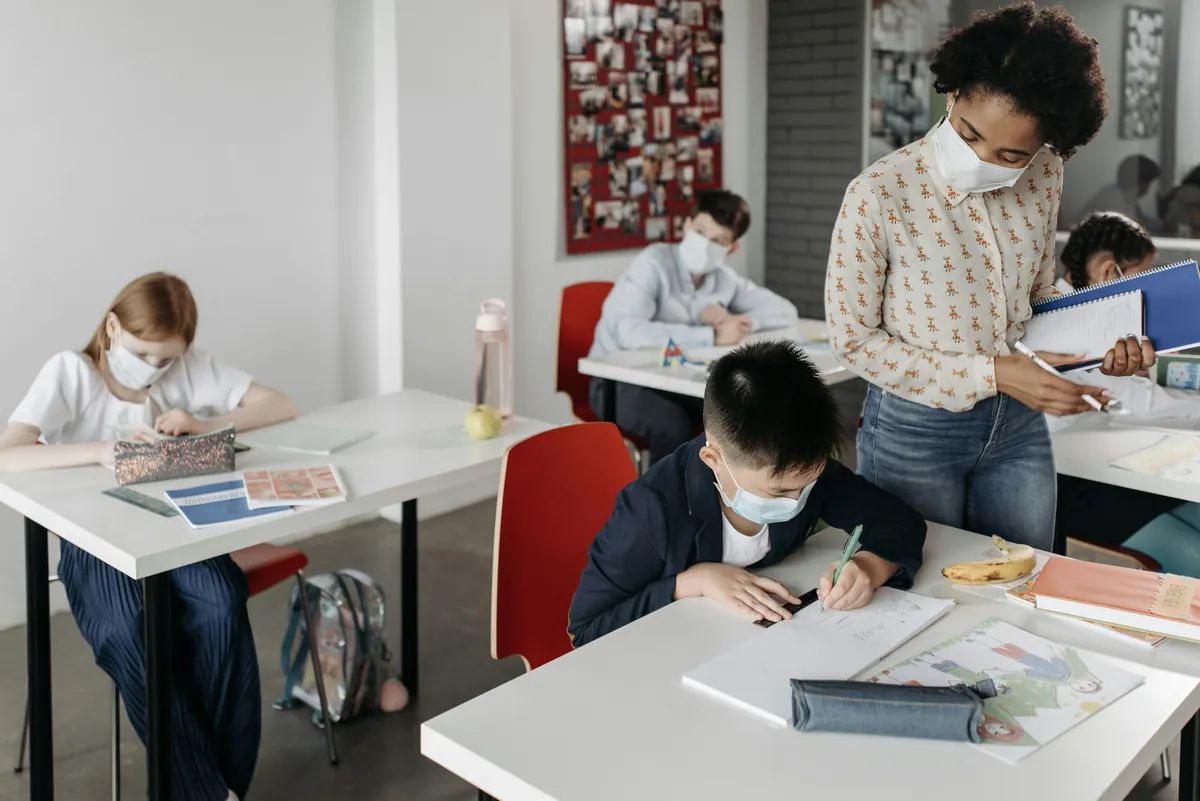
In today’s interconnected world, education plays a vital role in strengthening diplomatic and economic ties between nations. The relationship between Russia and Belarus provides a fascinating example of how two neighboring countries collaborate to build a shared educational framework. Understanding this partnership reveals important insights into regional cooperation, cultural exchange, and future opportunities for students.
As Russia and Belarus continue to deepen their political and economic integration, education remains a cornerstone of their alliance. By examining the educational policies, student exchanges, and joint academic programs, we can better appreciate how these two countries are shaping a unique educational environment that reflects their historical ties and common goals.
The Historical Context of Russia-Belarus Educational Relations
Shared Cultural and Linguistic Heritage
The close connection between Russia and Belarus has deep historical roots. Both countries share Slavic cultural traditions, and the Russian language is widely spoken throughout Belarus. This linguistic and cultural affinity facilitates educational collaboration and student mobility, allowing for smoother integration of curricula and academic standards.
Post-Soviet Educational Landscape
Following the dissolution of the Soviet Union, Russia and Belarus embarked on independent paths but maintained strong educational links. Cooperation agreements were signed to support joint university programs, research initiatives, and credit transfer systems. This groundwork set the stage for more advanced educational integration through regional alliances and bilateral arrangements. Exploring Alternatives to Obamacare: What You Need to Know
Current Education Collaboration Initiatives
Student Mobility and Exchange Programs
One of the most visible aspects of russia belarus educational cooperation is the robust exchange of students. Belarusian students often choose Russian universities for higher education due to proximity, cultural familiarity, and quality academic offerings. Likewise, Russian students benefit from scholarships and special admission quotas in Belarusian institutions. Wikipedia
These mobility programs not only strengthen academic ties but also promote mutual understanding and cultural exchange among young people. Universities in both countries collaborate to recognize diplomas and ensure academic credits transfer seamlessly.
Joint Academic Projects and Research
Universities in Russia and Belarus frequently partner on research projects in fields such as technology, agriculture, and social sciences. These collaborations are supported by government grants and cross-border academic networks aimed at fostering innovation and knowledge sharing.
Additionally, joint conferences, workshops, and publications help consolidate a sense of academic community that transcends national boundaries. This cooperation enriches curriculum development and encourages interdisciplinary approaches to education.
The Role of Government and Institutional Support
Policy Frameworks and Bilateral Agreements
Governmental bodies in Russia and Belarus play an active role in facilitating education cooperation. Through treaties and educational accords, both countries aim to harmonize standards, improve infrastructure, and promote joint accreditation processes.
These agreements reduce bureaucratic hurdles for students and academic staff, stimulate joint programs, and foster an environment where innovation can thrive. Educational priorities align with broader political and economic strategies, enhancing regional stability.
Funding and Scholarships
Financial support is crucial for sustaining education initiatives between Russia and Belarus. Both governments allocate funds for scholarships, research grants, and exchange programs. These investments make education more accessible and incentivize students to participate in cross-border academic activities.
Several specialized scholarship programs target outstanding students and researchers, aiming to attract talent and encourage academic excellence within the Russia Belarus educational corridor.
Challenges and Future Prospects
Balancing National Education Priorities
While cooperation is strong, balancing national educational autonomy with integration poses challenges. Each country seeks to preserve its unique academic traditions and curricula, which sometimes complicates full harmonization.
Addressing these differences requires ongoing dialogue, flexibility, and mutual respect to ensure that collaborative programs benefit both sides without compromising local educational goals.
Expanding Digital and Distance Learning
The COVID-19 pandemic accelerated the adoption of digital education tools, creating new opportunities for Russia Belarus collaboration. Online platforms enable wider access to joint courses, virtual exchanges, and collaborative research, overcoming geographical barriers.
Investing in digital infrastructure and training will be critical to expanding this aspect of cooperation, making education more inclusive and adaptable to future demands.
Conclusion
The educational partnership between Russia and Belarus exemplifies how neighboring countries can leverage shared history and common values to build a collaborative academic environment. Through student exchanges, joint research, government support, and innovative digital solutions, Russia Belarus educational ties continue to evolve and strengthen.
For students, educators, and policymakers, understanding this dynamic relationship highlights the potential for education to serve as a bridge between nations — fostering knowledge, cultural exchange, and regional development. Top Loan Options for Students: How to Finance Your Education Smartly
FAQ
What types of student exchange programs exist between Russia and Belarus?
There are various exchange programs where students from Belarus can study at Russian universities and vice versa. These programs often include scholarships, credit transfer agreements, and special admission quotas to facilitate academic mobility.
Are degrees obtained in Russia recognized in Belarus and vice versa?
Yes, Russia and Belarus have bilateral agreements that recognize each other’s university degrees, enabling graduates to pursue careers or further studies across both countries without needing additional accreditation.
How does the government support education cooperation between Russia and Belarus?
Both governments provide funding, create policy frameworks, and sign agreements that facilitate collaboration. They also offer scholarships and grants to promote student mobility and joint research initiatives between their educational institutions.
What challenges exist in education collaboration between the two countries?
Challenges include balancing educational autonomy with integration, aligning curricula, and overcoming administrative hurdles. Both countries continue to work on these issues to maintain strong cooperation.
Has digital education impacted the Russia-Belarus educational relationship?
Yes, digital and distance learning have expanded opportunities for cooperation, enabling joint online courses and virtual exchanges that broaden access and adapt to technological advancements.