The whatsapp app has transformed how billions of people communicate daily. Originally designed for private messaging, this ubiquitous platform now plays a crucial role in political communication worldwide. From grassroots activism to election campaigns, WhatsApp has become a powerful tool that influences political conversations and public opinion.
Understanding the impact of WhatsApp in politics matters because it reveals new dynamics in how information spreads, how citizens engage with political content, and how governments and political groups utilize technology. At the same time, the app’s private nature raises questions about misinformation, privacy, and regulation.
In this article, we’ll explore the key ways the WhatsApp app affects political landscapes globally. We will examine its advantages and challenges, the surge of political mobilization on the platform, and what the future might hold for political communication in a WhatsApp-driven world.
The Rise of WhatsApp in Political Communication
A Ubiquitous Platform for Political Messaging
The WhatsApp app boasts over two billion active users worldwide, making it one of the most popular messaging platforms globally. Its end-to-end encryption assures users of privacy, enabling private and group chats with ease. These factors have led political parties, activists, and citizens alike to adopt WhatsApp for political communication.
Unlike traditional broadcast media, WhatsApp facilitates direct, person-to-person conversations. This private and immediate interaction allows political messages to spread quickly through social networks, making it an effective medium for campaigns and advocacy. Jan Wolfe: A Rising Voice in Modern Politics
From Campaigns to Grassroots Movements
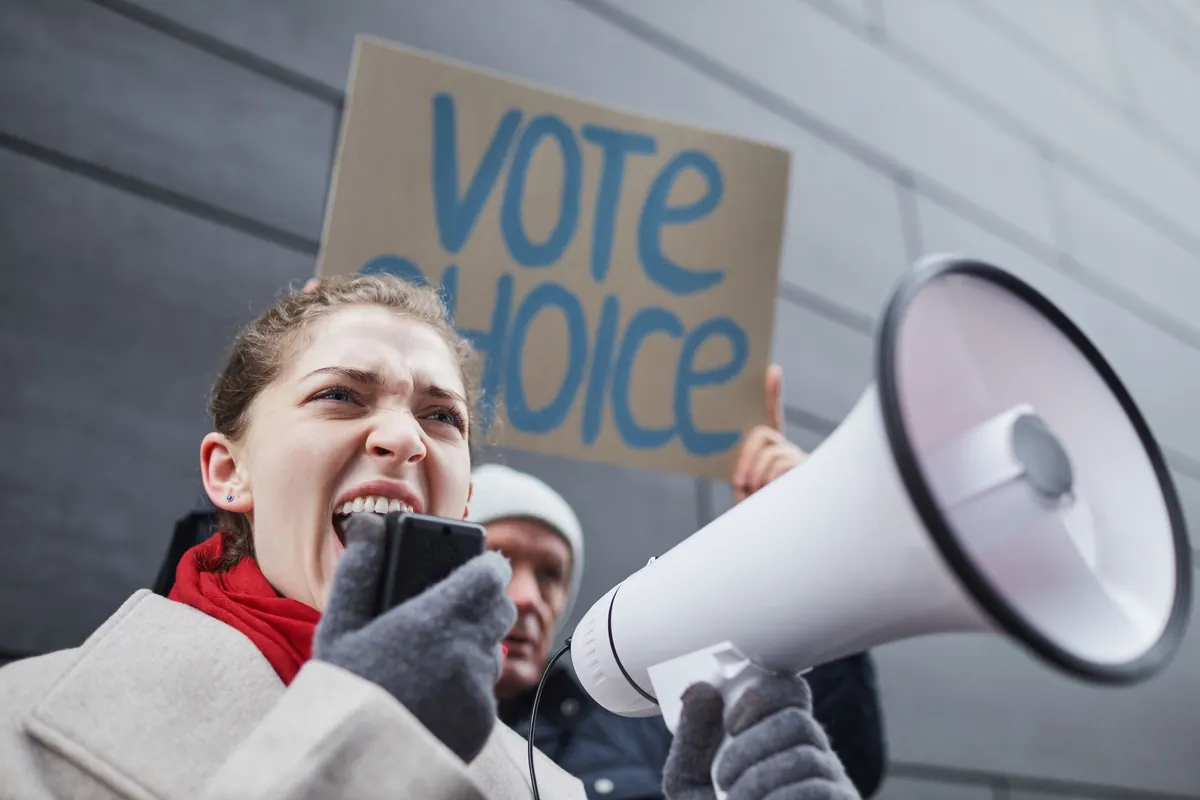
Political entities use the WhatsApp app to organize campaigns, distribute promotional material, and mobilize supporters. Grassroots groups often rely on WhatsApp to coordinate protests, share real-time updates, and raise awareness about issues that mainstream media might ignore. Wikipedia
This horizontal communication empowers smaller groups and local activists who might otherwise lack access to large-scale media platforms. For instance, during protests in various countries, WhatsApp became the lifeline for activists exchanging crucial information and coordinating actions effectively.
The Benefits of Using WhatsApp in Politics
Speed and Reach
The WhatsApp app allows messages to be forwarded rapidly across personal networks, enabling nearly instantaneous dissemination. Political messages or calls to action can reach thousands or even millions within minutes, crossing geographic and social barriers seamlessly.
Cost-Effective Political Outreach
As a free app requiring only an internet connection, WhatsApp cuts traditional outreach costs dramatically. Campaigns can target specific groups through dedicated chat groups or broadcast lists without spending heavily on advertising or physical materials.
Enhanced Engagement Through Interactivity
Unlike one-way communication channels, WhatsApp encourages dialogues. Citizens can ask questions, share feedback, and engage directly with political representatives or campaign volunteers. This two-way engagement fosters a sense of involvement and responsiveness.
The Dark Side: Challenges and Risks of WhatsApp in Politics
The Spread of Misinformation and Fake News
WhatsApp’s private and encrypted nature means messages often evade moderation. This protection of user privacy, while valuable, creates a breeding ground for misinformation and fake news to circulate unchecked.
Forwarded messages, viral memes, and unverified political claims can inflame tensions, manipulate voter opinions, or even incite violence. Several countries have reported election interference and social unrest linked to politically charged misinformation spreading on WhatsApp.
Privacy Concerns and Data Security
As political organizations collect phone numbers and group users, concerns about data privacy arise. Users may be unknowingly added to political chat groups or targeted with propaganda without their explicit consent. Understanding BlackRock Net Worth and Its Political Influence
Moreover, while WhatsApp messages are encrypted, metadata and user behavior can still be tracked, raising questions about the balance between security and surveillance in political messaging.
Regulatory and Ethical Challenges
The instant, private, and mostly unmonitored nature of WhatsApp challenges regulators worldwide. Governments struggle to design policies to curb harmful political content without infringing on free speech or user privacy.
Political actors also face ethical dilemmas in leveraging such a platform. The temptation to use bots, misleading messages, or aggressive targeting tactics is high, complicating efforts to maintain fair and transparent political processes.
Case Studies: WhatsApp’s Role in Recent Political Events
Brazil’s 2018 Elections
The Brazilian general elections in 2018 highlighted WhatsApp’s powerful role in shaping voter opinion. Political campaigns extensively used WhatsApp to share messages, videos, and memes. However, the platform also became notorious for the spread of fake news and coordinated disinformation campaigns.
India’s Political Campaigns
India, WhatsApp’s largest market, sees millions engaging with political content on the app. Political parties run vast networks of WhatsApp groups to communicate with supporters. The app played a pivotal role during national and regional elections but also sparked debates about misinformation and hate speech.
The Future of Political Communication on WhatsApp
Innovations in Messaging and Verification
WhatsApp has introduced features like message forwarding limits, labels distinguishing forwarded content, and fact-checking partnerships to combat misinformation. These steps aim to retain the app’s role as a political communication tool while reducing harm.
Balancing Privacy, Freedom, and Regulation
The evolving political landscape demands a delicate balance between privacy rights and the need for transparency. Future regulations may focus on enhancing user control over political content reception and boosting digital literacy to build resilience against misinformation.
Increased Political Engagement Through Technology
As smartphones and internet access expand globally, WhatsApp’s political significance will only grow. We can expect more sophisticated uses, including AI-powered political chatbots, targeted voter outreach, and real-time policy discussions within private messaging frameworks.
Conclusion
The WhatsApp app has undeniably reshaped political communication, opening new avenues for engagement, mobilization, and messaging. Its widespread adoption empowers citizens and political actors alike but also presents significant risks related to misinformation, privacy, and regulation.
For democracies and governments worldwide, understanding and navigating WhatsApp’s complex political influence is crucial. By fostering transparency, promoting digital literacy, and encouraging responsible use, societies can harness WhatsApp’s benefits while mitigating its challenges.
FAQ
How do politicians use the WhatsApp app for campaigns?
Politicians use WhatsApp to send targeted messages to supporters, share campaign updates, organize events, and mobilize voters. The app allows direct communication through group chats, broadcast lists, and multimedia content sharing.
Why is misinformation on WhatsApp a problem in politics?
Because WhatsApp messages are private and encrypted, misinformation can circulate widely without oversight. Fake news and misleading content can influence public opinion, manipulate voters, and sometimes incite violence, making it a critical concern for political stability.
What measures has WhatsApp taken to fight political misinformation?
WhatsApp limits message forwarding, labels forwarded messages, collaborates with fact-checkers, and improves user education to reduce misinformation spread, especially during elections and politically sensitive times.
Can WhatsApp’s encryption hinder political transparency?
Yes, encryption protects privacy but also limits authorities’ ability to monitor harmful content. This duality creates challenges in balancing user privacy with the need to prevent abuse in political contexts.
Will WhatsApp continue to grow as a political communication tool?
Given its global reach and popularity, WhatsApp’s importance in political communication is expected to increase, with more advanced features and strategies shaping future political engagement.